The data spine — Maersk, AIS, UN Comtrade, WITS
What sources we integrate, what each contributes, and what we still call 'in discussion'. An honest inventory of the public + carrier stack behind Qootna's planning surface.
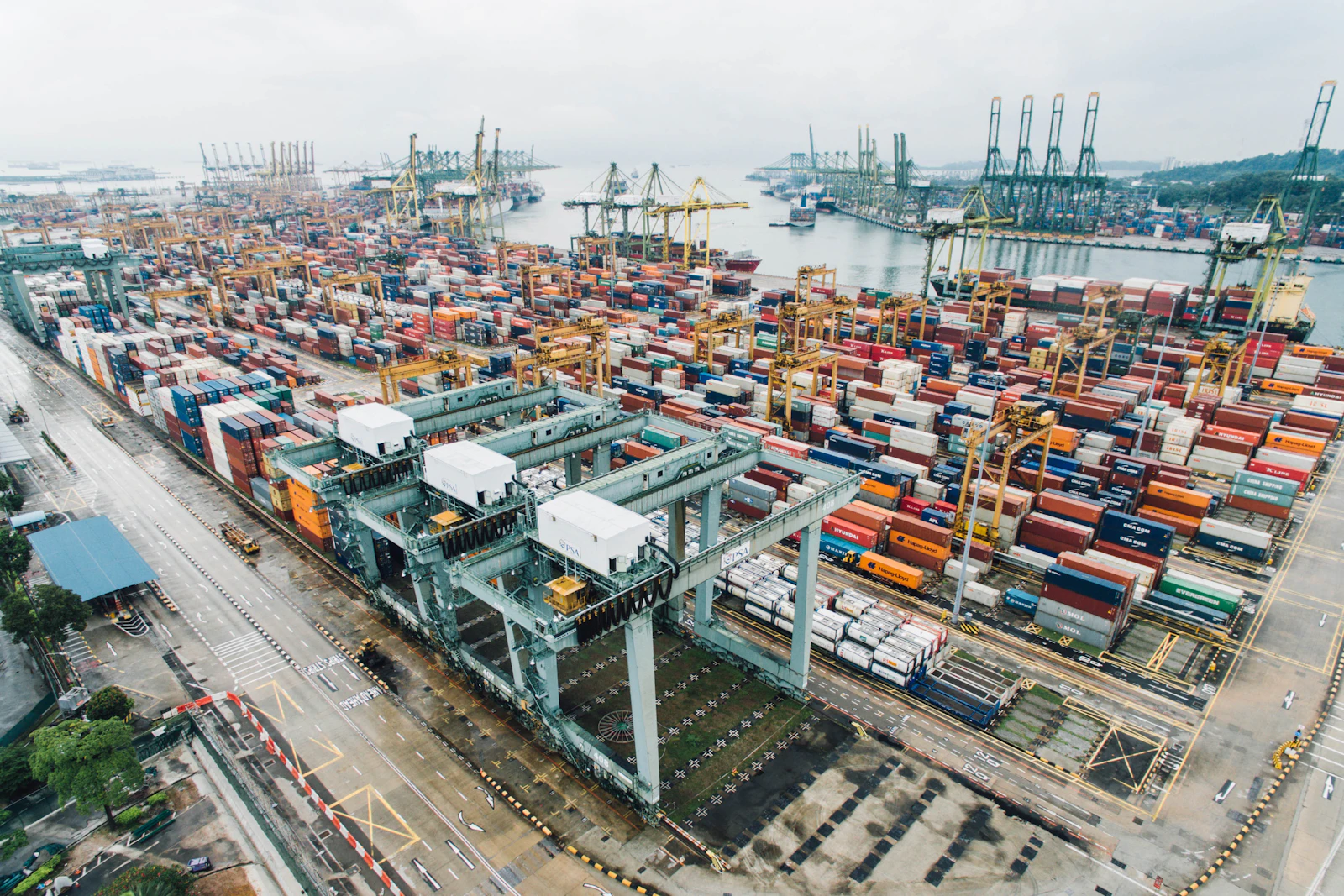
A planning surface is only as defensible as the sources behind it. Here is the current data spine for Qootna's cost, speed, and environmental engines — and what each source actually contributes.
Carrier integrations
Maersk — container schedules, lane-level carrier metadata, transit-time distributions for the lanes Maersk publishes. Used as a verified input for ocean freight on covered corridors.
DHL — air freight visibility, transit-time signal, lane coverage. Used for air-mode quotes where DHL is the relevant carrier.
Emirates SkyCargo — cold-chain SLA + transit times. Used both for the cost line (carrier-quoted lanes) and for the cold-chain confidence input on chilled corridors out of the Gulf.
Each integration emits its data with a verified source kind for lanes it covers. Outside the carrier's network we fall to benchmark or fallback explicitly, never silent.
Public sources
Public AIS — vessel positions, port calls, ETA inference. Powers the transit-time distribution on lanes that public AIS covers (which is most of the world's container traffic, with caveats for transshipment hubs and small ports).
UN Comtrade — national-level trade flows, commodity volumes. Used as the prior for routing demand and as a sanity check on lane plausibility.
WITS / UNCTAD — tariff schedules, ad-valorem duty rates by HS code and corridor. The tariff engine reads WITS-style data with explicit confidence labelling. Where a corridor / HS pair is not loaded, the line renders as 0% (tariff_rate_not_loaded) rather than silently zero.
Open weather APIs — routing-condition modifier. Folded into both transit-time distribution (P90 widens under adverse conditions) and the environmental engine (additional fuel burn under headwind / heavy weather).
National port authorities — port tariffs, handling charges, demurrage rules. Used directly for the port-tariff line. Country-level data is rendered as benchmark; port-specific data as verified.
FAO — commodity loss factors by chain segment. Inputs to the perishability profile and the spoilage component of landed cost.
In discussion
Hamad Port — local berth and dwell-time signal. Would improve port-tariff and dwell-time accuracy for Gulf-bound cargo. In discussion.
Qatar Airways Cargo — outbound air-cargo pricing. Would expand air-mode coverage for the Gulf carrier set. In discussion.
When the integration ships, those lines move from benchmark to verified for the relevant lanes. Until then we say so, in the UI and in this post.
What we don't do
We don't ingest a single blended index and call it freight. The engine reads its inputs directly. A benchmark layer exists, but it sits alongside the verified layer with explicit labelling — not on top of it as the only number the user sees.
We don't paper over a missing input with a model-imputed value and present it as data. Missing is missing; the line says so.
We don't claim coverage we don't have. The integrations list above is the integrations list — not a roadmap, not a marketing slide, not a sales-call number.
The data spine grows as we add carrier integrations and ingest more granular public sources. Each addition narrows the benchmark/fallback band in favour of verified. The honest reading of where we are today is in this post and on the platform page.
A planning surface that won't tell you its sources is a planning surface you can't defend. We tell you our sources.